Why Most New Hot Hotshot Truckers Fail Within Six Months
- Dec 11, 2025
- 4 min read

So, you’ve got a solid truck, a new trailer, and dreams of hitting the open road on your own terms. You’ve heard that hot shot trucking can bring big profits fast—and it can. But here’s the truth that most won’t tell you: more than half of new Hotshot truckers don’t make it six months.
The reasons aren’t mysterious. They’re the same traps that take down most new owner-operators: poor planning, bad math, burnout, and a lack of understanding of how this business really works. If you’re serious about building something lasting, let’s talk about the real reasons new hot shotters fail—and how to keep your wheels turning when others quit.
1. They Underestimate the Startup Costs
Too many new drivers think success starts when the wheels roll. It actually starts long before that—with a calculator.
By the time you factor in your truck, trailer, insurance, registration, fuel, maintenance, and compliance, most hot shot startups need at least $25,000–$40,000 in available capital just to survive the first few months.
Then there’s the insurance down payment—often $4,000–$8,000 upfront—and the first few months of premium before your cash flow evens out.
Many fail simply because they run out of money before they learn the rhythm of the business. Without reserves for breakdowns or slow weeks, even a small setback can end the run early.
Pro tip: Before you haul your first load, plan for three months of operating expenses with no income. It’s the difference between a business plan and a gamble.

2. They Don’t Understand Their True Cost Per Mile
A lot of new hot shotters chase loads that “look good” on the board—$2.00 or $2.50 a mile—and forget the math. When you add in deadhead miles, fuel, maintenance, and insurance, that “good” load might actually be losing you money.
Successful carriers track cost per mile (CPM) to the penny. For many small setups, break-even sits around $1.60–$1.80/mile. That means anything below that is digging into your pocket, not filling it.
Ignoring those numbers is like driving blindfolded.
Pro tip: Track every gallon, every repair, every toll. Know your cost before you ever quote a rate.
3. They Burn Out Fast
Hot shot trucking looks like freedom—but freedom without structure turns into chaos fast.
The reality? Long hours, inconsistent freight, and stress. New drivers often push too hard—taking every load, sleeping too little, skipping maintenance—and burn out within months.
Even though many hot shotters operate non-CDL rigs, they still fall under FMCSA Hours of Service (HOS) limits. Violations can shut you down or tank your compliance score.
Pro tip: Treat it like a business, not a hustle. Schedule your drive time, rest time, and home time just like a professional fleet. The best drivers don’t chase miles—they chase sustainability.
4. They Rely Too Heavily on Load Boards
Load boards are a great tool, but they’re not a business plan. Most boards are saturated with cheap freight and brokers who bid low, knowing someone new will take it.
It’s a race to the bottom—and if you’re new, that’s a race you can’t afford to win.
Successful operators build direct relationships with brokers and shippers who value reliability. They also work under experienced carrier partnerships until they learn how to source better freight.
Pro tip: Use load boards to stay moving, not to stay alive. Focus on building steady relationships that pay fair rates and repeat business.
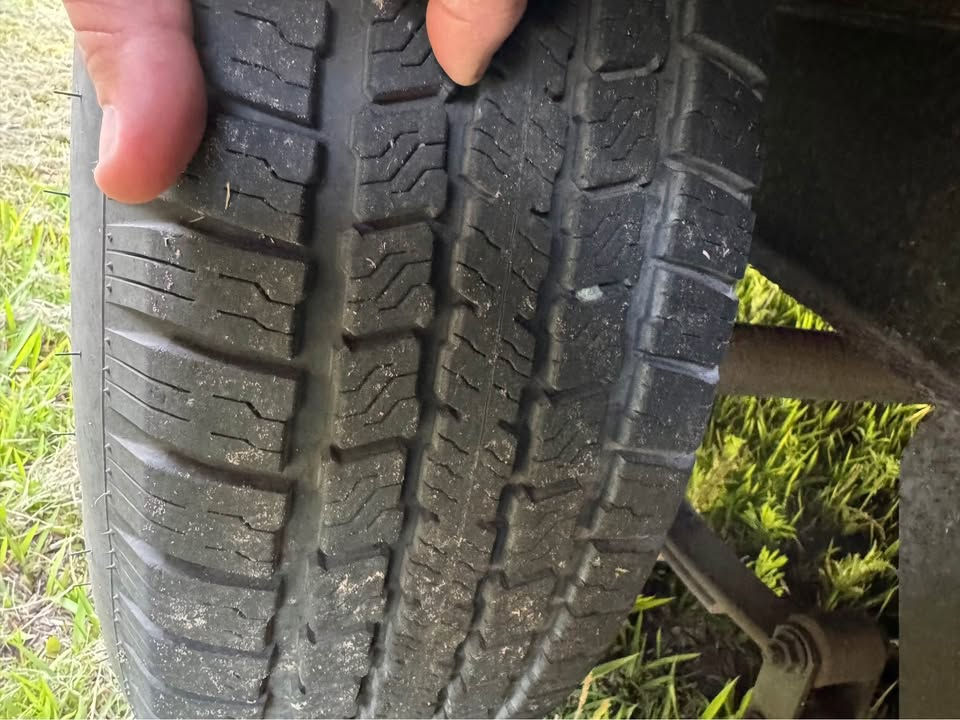
5. They Neglect Maintenance and Compliance
One of the fastest ways to lose money—or your authority—is by skipping the basics. Tires, brakes, and lights aren’t optional in this game. Neither is compliance.
Failing a DOT inspection can mean fines, lost freight, and even an out-of-service order. Your CSA score follows you everywhere, and brokers check it before booking you.
Pro tip: Build maintenance into your schedule and budget. A $300 fix in your driveway can easily become a $2,000 roadside repair if ignored.
6. They Don’t Have a Business Mindset
A truck and trailer don’t make you a business owner—your decisions do. Many hot shotters fail because they run like drivers, not entrepreneurs.
They don’t separate personal and business accounts, skip recordkeeping, ignore taxes, and never learn basic accounting. The IRS doesn’t care that you’re “new.” Neither does the FMCSA.
Pro tip: Treat your business like one from day one. Keep clean books, track deductions, pay quarterly taxes, and stay audit-ready.
7. They Try to Go It Alone
Hot shot trucking can feel isolating, especially at the start. Without mentorship or community, it’s easy to make costly mistakes that could’ve been avoided with a little guidance.
That’s why many successful drivers start under a carrier partnership. You get help with dispatch, compliance, and insurance while learning the ropes. It’s not just safer—it’s smarter.
The Bottom Line
The first six months will test you. The ones who make it are the ones who plan ahead, know their numbers, take care of their equipment, and treat this as a business—not a shortcut.
Every mile teaches something new, but the smartest carriers don’t have to learn every lesson the hard way.
Comments